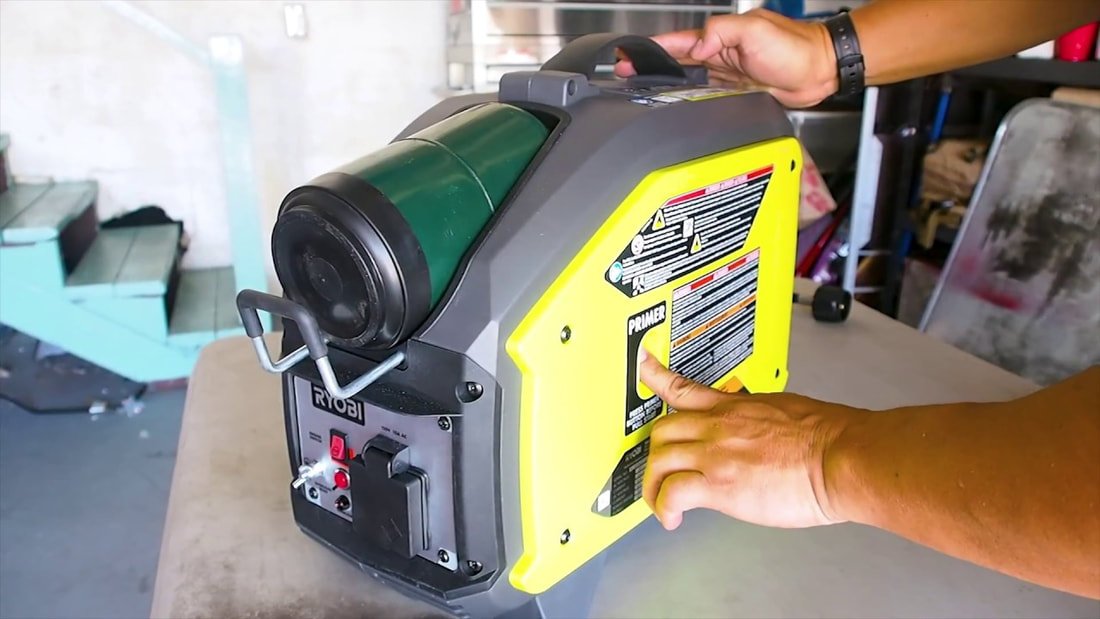
The hum of a generator during a power outage isn't just noise; it's the sound of comfort, safety, and normalcy in an uncertain time. As homeowners increasingly seek dependable backup power, many find themselves evaluating their fuel options. Among the most popular choices is propane. But what are the real Benefits & Drawbacks: Why Choose a Propane Generator for Home? It's a nuanced decision, one that balances convenience with cost, and resilience with logistics.
Let's cut through the noise and illuminate the pros and cons of inviting a propane generator into your home's energy arsenal.
At a Glance: Propane Power Pros & Cons
Thinking about a propane generator? Here's the quick rundown to set your expectations:
- Pros: Clean-burning fuel, virtually indefinite shelf life, safe and stable storage, generally quieter operation, excellent cold-weather performance, and a continuous fuel supply for standby models.
- Cons: Higher fuel consumption (less energy-dense than gasoline), potentially higher operational costs, significant upfront cost for large fuel tank installation, requires dedicated space for tanks, and relies on scheduled fuel deliveries.
Why Even Consider a Generator for Your Home?
Before diving into the specifics of propane, let's briefly touch on the fundamental necessity. Power outages, whether from severe weather, grid failures, or utility maintenance, are more than just an inconvenience. They can disrupt everything from heating and cooling to medical equipment, refrigeration, and communication. A reliable home generator isn't a luxury for many; it's a critical piece of emergency preparedness. It ensures your family stays safe, your food stays fresh, and your essential systems remain operational when the grid goes dark.
To truly understand if propane is the right fit, it helps to understand its unique characteristics as a fuel source. Propane, a byproduct of natural gas processing and crude oil refining, is stored as a liquid under pressure. When released, it vaporizes into a gas, which is then combusted by the generator's engine. This simple process holds both distinct advantages and a few notable challenges. If you're looking to learn more about propane generators overall, this guide will serve as a strong foundation.
The Bright Side: Undeniable Benefits of Propane Generators
Choosing a propane generator brings a suite of advantages that can make it an ideal solution for many homeowners. These benefits often center around the nature of the fuel itself, offering peace of mind and operational efficiency.
Clean-Burning and Eco-Friendlier Operation
One of propane's most significant advantages is its clean-burning nature. Compared to gasoline or diesel, propane combustion produces far fewer harmful emissions, such as carbon monoxide, nitrogen oxides, and particulate matter. This isn't just good for the environment; it's good for your generator. A cleaner burn means:
- Extended Engine Life: Less soot and carbon buildup leads to reduced wear and tear on engine components. This translates to fewer maintenance issues and a longer operational lifespan for your generator.
- Reduced Odor: Propane generators typically emit less noticeable exhaust odor, a considerable benefit in residential settings.
- Easier Regulatory Compliance: Its lower emissions often make propane generators easier to permit and comply with local air quality regulations, particularly in stricter environmental zones.
Long Shelf Life of Fuel: Ready When You Are
Unlike gasoline, which can degrade and become unusable in as little as 3-6 months, propane boasts an almost indefinite shelf life. Stored in a sealed tank, liquid propane does not break down or "go bad." This means you don't have to worry about:
- Fuel Stabilizers: No need for additives to keep the fuel fresh.
- Draining Tanks: You won't have to empty and refill fuel tanks periodically, saving time and preventing waste.
- Carburetor Clogging: Degraded gasoline is a notorious culprit for gumming up carburetors, a problem virtually eliminated with propane.
This unparalleled longevity ensures that your fuel supply is always ready for action, whenever an emergency strikes.
Safer Storage Solutions
Propane is stored in robust, heavy-gauge steel tanks designed to withstand significant pressure and impact. These tanks are typically placed outdoors, away from your home, and are inherently safer than storing liquid fuels like gasoline in cans around a garage or shed. Key safety aspects include:
- Sealed System: The fuel is contained within a closed system, eliminating the risk of spills, evaporation, or accidental ignition from open flames or sparks.
- Lower Flammability Risk: While propane is flammable, its storage method significantly reduces casual exposure risks compared to an open container of gasoline. It disperses into the air more readily than gasoline fumes, which tend to linger at ground level.
- Professional Installation: Large propane tanks for standby generators are installed by certified technicians who ensure proper placement, secure connections, and adherence to safety codes.
Reliable, Continuous Supply (Especially for Standby Systems)
For homeowners investing in a whole-home standby generator, the fuel supply mechanism is a major draw. Standby propane generators connect directly to a large, fixed propane tank (ranging from 120 to 1,000+ gallons) on your property. This setup provides:
- Automatic Refueling: Many propane suppliers offer automatic delivery services, ensuring your tank is topped off before it runs low, often without you even needing to call. This eliminates the frantic scramble for fuel during a widespread power outage when gas stations might be closed or out of supply.
- Extended Run Times: A large propane tank can power a standby generator for days, or even weeks, depending on its size and your home's energy consumption. You won't be limited by small, portable fuel cans.
- No Manual Intervention: With an automatic transfer switch, the generator detects an outage, starts up, and switches your home's power seamlessly, all without you lifting a finger or worrying about fuel.
Generally Quieter Operation
While "quiet" is a relative term for any combustion engine, modern propane generators, particularly standby models, are often engineered for reduced noise levels. Manufacturers achieve this through advanced sound-dampening enclosures and optimized engine designs.
- Residential Harmony: Lower noise output is a significant benefit in residential areas, helping maintain good relations with neighbors and allowing you to enjoy your outdoor space even when the generator is running.
- Local Ordinances: Quieter generators are more likely to comply with local noise ordinances, which can be a deciding factor in urban or suburban environments.
Versatility and Dual-Fuel Options
Propane generators offer a degree of versatility. Many portable models are available as "dual-fuel" units, meaning they can run on either gasoline or propane. This provides:
- Fuel Flexibility: If you have gasoline on hand but prefer propane, you have the option. This can be especially useful during extended emergencies when one fuel type might be easier to acquire than another.
- Backup Fuel Plan: Should your propane tank run empty, a dual-fuel portable unit allows you to switch to gasoline, providing a temporary lifeline.
Lower Maintenance Requirements
The clean-burning nature of propane also translates to less demanding maintenance schedules compared to gasoline generators.
- Reduced Engine Deposits: As mentioned, less carbon buildup means fewer issues with spark plugs, fuel injectors, and other engine components.
- No Carburetor Issues: Propane doesn't leave behind gummy residues, which are a common cause of carburetor problems in gasoline engines, especially after long periods of inactivity. This often means easier starts and more reliable performance.
- Fewer Oil Changes: While regular oil changes are still essential, the cleaner burn can sometimes extend the intervals or reduce the severity of oil contamination.
Resilience in Cold Weather
Propane generators generally perform very well in cold temperatures. Unlike diesel fuel, which can "gel" in extreme cold and prevent an engine from starting, propane remains a gas in the combustion chamber once it leaves the tank. As long as the tank's vaporization rate is sufficient for the generator's demand (more of a concern with smaller tanks in extreme cold), a propane generator is a robust choice for homes in colder climates.
The Other Side of the Coin: Drawbacks to Consider
Despite its many advantages, propane generators come with a set of considerations that can be significant, especially concerning cost and logistics. Understanding these drawbacks is crucial for making an informed decision.
Higher Fuel Consumption & Cost Per Energy Unit
This is often the most significant drawback. Propane is less energy-dense than gasoline or diesel. This means you need to burn more propane to generate the same amount of power.
- Increased Consumption: A generator running on propane will consume more fuel (by volume) than the same generator running on gasoline for the same output.
- Higher Operating Costs: While the price of propane fluctuates, it often translates to a higher cost per hour of operation compared to gasoline or natural gas, especially when considering the BTUs (British Thermal Units) per gallon. According to the U.S. Energy Information Administration (EIA), propane typically offers fewer BTUs per gallon than gasoline.
This economic reality means that for prolonged or very frequent outages, the cost of keeping your home powered can add up quickly.
Significant Initial Setup Cost
While the generator unit itself might be comparable in price to other fuel types, the total cost for a standby propane system can be substantially higher due to the fuel storage.
- Propane Tank Expense: You'll need to purchase or lease a large propane tank, which can be an investment of several thousand dollars for larger sizes (e.g., 500-1000 gallons).
- Installation & Site Prep: The tank requires a concrete pad, trenching for gas lines, and professional connection to your home's electrical system via an automatic transfer switch. These services, along with necessary permits and inspections, add considerable expense to the initial setup.
- Delivery Fees: Depending on your supplier and location, there might be initial setup or minimum delivery fees.
This high upfront investment is a major hurdle for many homeowners, though the long-term benefits might outweigh it for those in frequently impacted areas.
Bulk of Fuel Storage and Dedicated Space Requirements
Large propane tanks, necessary for extended run times, are substantial. A 500-gallon tank can be approximately 10 feet long and 3.5 feet in diameter, and a 1000-gallon tank is even larger.
- Yard Space: These tanks require a dedicated, level area in your yard, away from property lines, ignition sources, and certain structures, as mandated by local codes and safety regulations.
- Aesthetics: Some homeowners find the visible presence of a large tank aesthetically displeasing, though efforts can be made to landscape around it. Underground tanks are an option but significantly increase installation costs.
- Accessibility: The tank must be accessible for propane delivery trucks, which also need space to maneuver.
For homes with limited yard space or strict HOA rules, finding a suitable location for a large propane tank can be a challenge.
Pressure Issues in Extreme Cold (for Portable Units)
While standby propane generators generally fare well in cold, smaller portable units using 20 lb or 30 lb BBQ-style tanks can face issues in extreme cold or during prolonged heavy use.
- Vaporization Rate: Propane needs to vaporize from liquid to gas to be used. In very cold temperatures, the vaporization rate within smaller tanks can slow down, or even "freeze" the tank if the generator draws too much gas too quickly. This can lead to a drop in pressure and the generator stalling or running poorly.
- Solutions: This issue is less common with larger tanks which have a greater surface area for vaporization, but for portable units, solutions might include keeping tanks in a slightly warmer, well-ventilated area before use or using tank warmers (carefully, and with proper ventilation).
Reliance on Scheduled Fuel Deliveries
Unlike natural gas, which is piped directly to your home, propane requires scheduled deliveries from a supplier.
- Delivery Dependence: During widespread power outages or severe weather events that impact roads, propane deliveries can be delayed or temporarily suspended. If your tank runs empty and you can't get a refill, your generator becomes useless.
- Monitoring: While many suppliers offer automatic refills, it’s still wise to monitor your tank levels, especially as a major weather event approaches, to ensure you have an adequate supply.
Permit and Regulation Hurdles
Installing a permanent standby propane generator and its associated fuel tank typically involves a bureaucratic process.
- Local Codes: You'll almost certainly need permits from your local municipality for electrical work, gas line installation, and tank placement.
- Zoning and Safety: These installations are subject to strict fire codes, zoning restrictions, and safety regulations regarding setbacks from buildings, property lines, and ignition sources.
- Professional Expertise: Navigating these requirements often necessitates hiring licensed professionals for both the electrical and plumbing/gas connections, adding to the complexity and cost.
Is a Propane Generator Right for Your Home? Key Decision Factors
With the benefits and drawbacks laid out, how do you decide if propane is the right fit for your specific situation? It boils down to weighing several personal and practical factors.
Your Location and Fuel Availability
- Rural vs. Urban: In rural areas, where natural gas lines might not be available, propane is often the primary choice for whole-home generators. In urban or suburban areas, natural gas might be an option, but propane still offers advantages like non-reliance on a potentially vulnerable gas grid during an earthquake or major infrastructure failure.
- Propane Supplier Proximity: Ensure there are reliable propane suppliers in your area who can offer competitive pricing and dependable delivery services.
Frequency and Duration of Outages
- Infrequent, Short Outages: If you experience only occasional, short-lived power interruptions (a few hours), the higher upfront cost of a large propane tank and standby system might be overkill. A smaller, portable propane or dual-fuel unit might suffice.
- Frequent, Prolonged Outages: For areas prone to severe weather, extended outages (days or weeks), or those with critical medical needs, the reliability and continuous supply of a standby propane generator become invaluable, outweighing the higher fuel costs.
Budget: Upfront vs. Long-Term Costs
- Initial Investment: Are you prepared for the significant upfront cost of a large propane tank and professional installation? This can easily add thousands of dollars to the total project cost.
- Operating Costs: Do you have the budget for potentially higher fuel consumption over time? While the cost per gallon varies, factor in that you might burn more propane than gasoline for the same power output. Consider how often you anticipate using the generator and for how long.
Space for Fuel Storage
- Yard Size: Do you have sufficient, compliant space in your yard for a large propane tank, respecting setback requirements from your home, property lines, and other structures?
- Aesthetic Preference: Are you comfortable with a visible tank, or would you need to invest in an even more costly underground tank installation?
Environmental Concerns
- Emissions Priority: If minimizing your carbon footprint and local air pollution is a high priority, propane's cleaner-burning characteristics make it a strong contender over gasoline or diesel.
- Engine Longevity: The cleaner burn also means less wear and tear, contributing to a longer-lasting unit and potentially reducing the frequency of component replacements.
Noise Regulations
- Local Ordinances: Check your local municipality or homeowner's association for specific noise level restrictions. Modern standby propane generators are designed to be quieter than many portable models, making them more compliant in noise-sensitive areas. However, no generator is truly silent.
Understanding the Types: Portable vs. Standby Propane Generators
When considering a propane generator, you'll primarily be looking at two main categories, each suited for different needs and budgets.
Portable Propane Generators
These units are designed for flexibility and smaller-scale power needs.
- Pros:
- Lower Initial Cost: Significantly more affordable than standby units, often ranging from a few hundred to a couple of thousand dollars.
- Mobility: Easy to move around your property or even take to another location (e.g., a campsite, job site).
- Essential Backup: Ideal for powering a few critical appliances (refrigerator, lights, phone chargers, a window AC unit) during a shorter outage.
- Dual-Fuel Options: Many portable units offer the flexibility to run on both gasoline and propane.
- Cons:
- Smaller Capacity: Typically provide less power output than standby units, meaning you can't run your entire home.
- Manual Operation: Requires manual starting and often a manual transfer switch to connect to your home's circuits safely.
- Limited Fuel Supply: Relies on smaller propane tanks (20lb, 30lb, 40lb cylinders), which need frequent refilling or swapping.
- Outdoor Use Only: Must be operated outdoors in a well-ventilated area due to carbon monoxide risks.
Standby Propane Generators
These are permanent installations designed for whole-home automatic backup power.
- Pros:
- Whole-Home Power: Can power your entire home, including HVAC, large appliances, and sensitive electronics, without interruption.
- Automatic Operation: Equipped with an automatic transfer switch (ATS) that detects power outages and starts the generator automatically, often within seconds.
- Continuous Fuel Supply: Connects to a large, fixed propane tank, providing days or weeks of uninterrupted power.
- Permanent Installation: Professionally installed, integrated into your home's electrical system, and always ready.
- Quieter Operation: Generally feature sound-attenuating enclosures for reduced noise levels.
- Cons:
- High Initial Cost: The unit, large propane tank, and professional installation (electrical, gas line, permits) can cost upwards of $10,000 to $20,000 or more.
- Professional Installation Required: Installation is complex and requires licensed electricians and gas fitters.
- Dedicated Space: Needs a permanent outdoor location with sufficient clearances.
- Not Portable: Once installed, it stays put.
To help visualize the differences, here's a quick comparison:
| Feature | Portable Propane Generator | Standby Propane Generator |
| :--------------- | :------------------------------------------------------- | :--------------------------------------------------------- |
| Cost | Lower (hundreds to low thousands) | High (thousands to tens of thousands) |
| Installation | DIY (plug-and-play), manual transfer switch often needed | Professional, permanent wiring, automatic transfer switch |
| Fuel Supply | Small tanks (20-100 lbs), manual connection | Large fixed tanks (120-1000+ gallons), automatic delivery |
| Operation | Manual start, manual transfer | Automatic start & transfer (ATS) |
| Capacity | Powers essential circuits, select appliances | Powers entire home, multiple AC units |
| Noise | Moderate to loud | Generally quieter, sound-attenuated |
| Mobility | High | None |
| Permits | Rarely needed for the unit itself | Often required (installation, fuel tank, electrical) |
Beyond the Basics: What Else to Know About Propane Generators
Making a choice is just the first step. Understanding the practicalities of owning and operating a propane generator will further empower your decision.
Maintenance & Longevity
While propane generators benefit from cleaner fuel, regular maintenance is still vital for peak performance and longevity.
- Regular Exercise: Standby generators typically have an automatic exercise mode, running for 10-20 minutes weekly or bi-weekly. This keeps components lubricated and ensures the unit is ready. Portable units should be run periodically (e.g., monthly) for similar reasons.
- Oil Changes: Follow the manufacturer's recommendations for oil change intervals. Even with cleaner fuel, oil still degrades over time and use.
- Air Filter & Spark Plugs: Inspect and replace as needed. A clean air filter is crucial for engine efficiency.
- Fuel System Check (Portable): For portable units, ensure gas lines are clear and connections are secure. For standby units, your propane supplier or generator technician will inspect the fuel lines.
- Professional Servicing: Schedule annual inspections by a qualified generator technician, especially for standby units, to ensure all systems (electrical, fuel, engine) are functioning correctly.
Sizing Your Generator
Choosing the right size generator is critical. An undersized generator won't power everything you need, while an oversized one is an unnecessary expense, potentially burning more fuel than required.
- Calculate Your Needs: List all essential appliances and systems you want to power (lights, refrigerator, well pump, HVAC, medical devices).
- Running Watts vs. Starting Watts: Pay attention to both. Appliances with electric motors (refrigerators, AC units) require a surge of "starting watts" that can be 2-3 times their "running watts."
- Consult a Professional: For whole-home standby systems, always work with a qualified electrician or generator dealer. They can conduct a load calculation to determine the precise wattage your home requires, ensuring you select a unit that can handle both continuous loads and startup surges.
Installation Considerations
Proper installation is paramount for safety, efficiency, and compliance.
- Professional Expertise: For standby generators, hiring licensed electricians and gas fitters is non-negotiable. Attempting DIY installation for a whole-home system is dangerous and voids warranties and insurance.
- Location: The generator and propane tank must be placed on a solid, level surface (often a concrete pad) and meet strict setback requirements from your home, windows, doors, and property lines. These clearances are for safety and noise reduction.
- Automatic Transfer Switch (ATS): The ATS is the brain of a standby system, safely disconnecting your home from the utility grid before connecting to generator power. It's a critical component that requires expert installation.
- Permitting: Be prepared for the permitting process with your local building department. This ensures the installation meets all safety and code requirements.
Safety First: Always
Operating any generator carries inherent risks, and propane is no exception.
- Carbon Monoxide (CO): Generators produce CO, a colorless, odorless, and deadly gas. ALWAYS operate generators outdoors in a well-ventilated area, far from windows, doors, and vents. Install CO detectors inside your home.
- Clearances: Maintain proper clearances around the generator for ventilation and to prevent fire hazards. Keep flammable materials away.
- Electrical Safety: Never backfeed power into your home's electrical system without a professionally installed transfer switch. This can electrocute utility workers and damage your generator.
- Fuel Leaks: Periodically check for any signs of leaks around the propane tank and lines. If you smell propane (a rotten egg odor), evacuate immediately and call your propane supplier and fire department.
Addressing Common Questions & Misconceptions
Let's clear up some frequently asked questions and common misunderstandings about propane generators.
"Are propane generators really more expensive to run than gasoline?"
Generally, yes, on a per-BTU basis. Propane has fewer BTUs per gallon than gasoline, meaning you'll consume more gallons of propane to produce the same amount of electricity. While propane's price per gallon can sometimes be lower than gasoline, the energy density difference usually makes the operational cost higher. However, for standby systems, the convenience of a continuous, hands-off fuel supply and indefinite shelf life often outweighs this difference for many users.
"Can I convert my gasoline generator to propane?"
Yes, conversion kits are available for many portable gasoline generators, allowing them to run on propane or often as a dual-fuel (gasoline/propane) unit. This can be a cost-effective way to get the benefits of propane without buying a new generator. However, be aware that conversions may void your generator's warranty, and it's essential to ensure the kit is safely and correctly installed, often by a qualified technician, to prevent performance issues or safety hazards.
"How long can a propane generator run continuously?"
The run time depends almost entirely on the size of your propane tank and your generator's fuel consumption rate (which varies by load). A small 20 lb propane tank on a portable generator might only run for 8-10 hours at a modest load. A large 500 or 1000-gallon tank connected to a whole-home standby generator, however, can provide power for several days to a couple of weeks, depending on your home's energy usage during the outage.
"Is propane safe to store on my property?"
Yes, propane is considered a very safe fuel when stored and handled correctly. Propane tanks are robust, regulated containers designed to withstand pressure and impact. They are typically installed outdoors, in compliance with strict safety codes that dictate clearances from buildings and ignition sources. The fuel itself is contained within a sealed system, reducing the risk of spills or evaporation common with liquid fuels. As with any fuel, proper installation, regular inspection, and adherence to safety guidelines are key.
Making Your Decision: A Final Word
Choosing a propane generator for your home is a significant decision that impacts your safety, comfort, and financial planning. There's no one-size-fits-all answer. For many, the clean burn, indefinite fuel shelf life, and the sheer reliability of a permanently installed standby propane system offer an unmatched level of peace of mind. For others, the higher upfront cost, the need for a large fuel tank, and the slightly higher operating expenses may steer them towards different solutions.
Take a moment to truly assess your unique needs: How frequent are your power outages? How critical is continuous power for your household? What's your budget for initial setup versus ongoing fuel costs? Do you have adequate space for a propane tank?
Ultimately, armed with a clear understanding of the benefits and drawbacks, you can make an informed choice that aligns with your priorities. Don't hesitate to consult with certified electricians and reputable generator dealers in your area. They can provide personalized advice, conduct site assessments, and help you navigate the complexities of sizing, installation, and local regulations. Investing in a home generator is investing in your family's security; make sure it's the right fit for you.